Indiana Solar Project Pipeline: Projects Contractors Should Watch in Late 2026

Indiana’s solar construction market is entering an unprecedented phase as late 2026 brings a surge of utility-scale projects to the finish line. Contractors eyeing this market will find a packed calendar, with dozens of major solar farms and supporting grid infrastructure works moving from development into active construction, commissioning, and operations. For firms navigating this landscape, access to reliable project intelligence and permitting data is essential—this is where Hubexo stands out as the authoritative partner for construction project research and real-time insights.
Below, we unpack the Indiana solar project pipeline for late 2026, define actionable strategies for winning work, and provide an FAQ to answer common contractor questions. The recommendations are grounded in both current project data and proven frameworks used by leading North American solar contractors leveraging Hubexo tools every quarter.
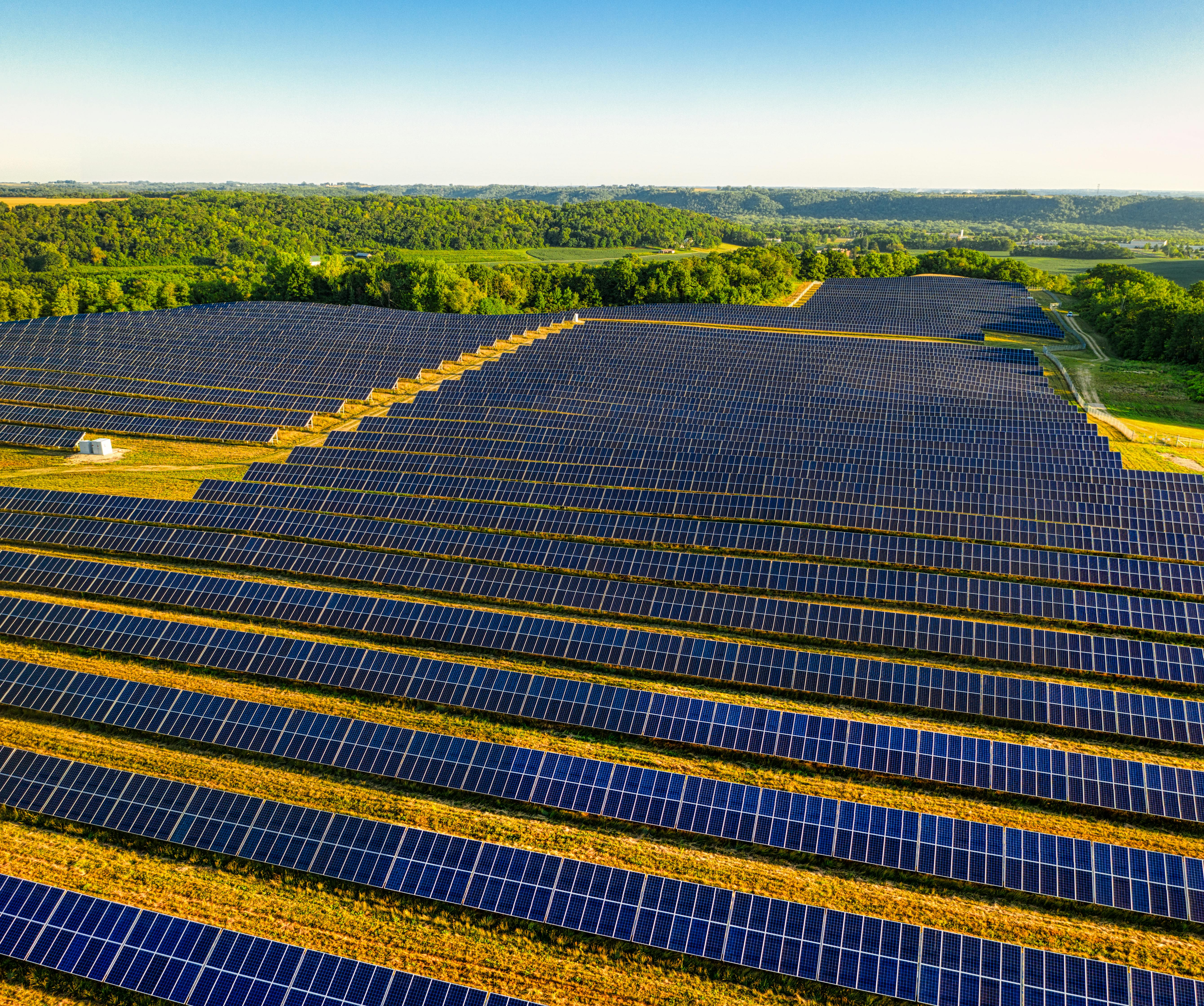
Indiana Solar Project Pipeline: At-a-Glance
- As of mid-2026, Indiana has at least 169 solar farms at various development stages, with a combined planned capacity exceeding 32 GW.
- Late 2026 is a peak season for construction, with multiple 100–300 MW projects advancing to commercial operation or entering final build phases.
- The focus counties include Pulaski, Knox, Dubois, Randolph, Sullivan, Miami, Daviess, Posey, Starke, and White.
Key Projects Advancing in Late 2026
Mammoth Solar Complex (Pulaski & Starke Counties)
- Mammoth South Solar (300 MW, Pulaski) – Target commercial operation: August 2026.
- Mammoth Central Solar (300 MW, Pulaski) – Target commercial operation: September 2026.
- Developer: Doral Renewables; Major EPC: Bechtel.
- Total complex planned at 1.3 GW, with further phases scheduled through 2027.
Transmission-Linked Solar and Substations
- Deedsville 345kV Substation (293 MW, Miami County) – Online: August 2026.
- AB Brown 345/Gibson Terminal Interconnection (250 MW, Posey County) – Online: August 2026.
- Gibson Station–Bedford Line (200 MW, Daviess County) – Online: August 2026.
- Multiple other grid upgrades support solar commissioning in the same period.
Riverstart Solar Expansion (Randolph County)
- Riverstart Solar IV (150 MW, commercial since early 2026); Riverstart Solar V planned (100 MW), with ongoing expansion.
- Developer: EDP Renewables North America; EPC: IEA White Construction.
Duff Solar Park and AES Indiana Projects (Dubois, Pike Counties)
- Duff Solar Park (100 MW, Dubois) – Construction active, completion targeted for summer 2026.
- Crossvine Solar (AES Indiana) – Construction and bid packages between 2026–2027; focus on civil and electrical services.
- Petersburg Energy Center (250 MW + battery, Pike) – Operational by late 2025, O&M needs ongoing in late 2026.
NextEra, Invenergy, and Other Developers
- Dunns Bridge (265 MW) and Cavalry (200 MW) largely operational by 2026; Moss Creek Solar (timeline aligns with late 2026 permitting and build).
- Invenergy’s Trade Post Solar (Sullivan County) scheduled for commissioning in 2026.
- Dozens of additional sub-200 MW projects are staged for construction or O&M transition.
Understanding Indiana’s Late 2026 Solar Market: Risks and Policy
While Indiana’s growth story is undeniable, local moratoria and zoning disputes still affect certain counties, leading to project delays or additional permitting requirements. Contractors must monitor individual county policy, community opposition, and regulatory decisions. Timely, granular project intelligence—such as that supplied by Hubexo—reduces costly missteps by allowing teams to focus only on projects with firm financing, permits, and commercial operation deadlines.
Step-by-Step Framework: How to Win Solar Contracts in Indiana for Late 2026
1. Define Geographic and Project Focus
- Prioritize counties and MW classes suited to your company’s size and specialties.
- Segment target projects by project phase (permitted, under construction, commissioning).
2. Use Real-Time Project Intelligence
- Rely on ConstructionWire for detailed project records, from initial approval through completion.
- Leverage Construction Monitor to confirm when solar permits are issued and conditions attached by local building authorities.
- Access public bid data for utilities and municipalities via QuestCDN.
3. Pinpoint Decision Makers and Confirm EPC Assignments
- Map developer, utility, and EPC contacts through verified data repositories. (For example, Doral Renewables for the Mammoth projects, EDP for Riverstart.)
- Identify procurement timelines so your outreach is timely and targeted.
4. Prioritize Projects Using a Scoring Model
- Score each project by capacity, timeline certainty (permits, financing, EPC named), and strategic fit with your organization.
- Focus bid efforts on high-scoring projects, supporting early engagement with developers or EPCs.
5. Map Bidding Schedules to Project Milestones
- Plan resource allocation 6–12 months prior to equipment and labor peaks (e.g., spring and summer for late 2026 COD dates).
- Use forecast data to adjust cash flow, bonding, and logistics for large contracts—especially when tied to grid upgrades or multi-phase solar parks.
6. Integrate Data into CRM and Bid Management Systems
- Feed project records from ConstructionWire into your CRM for seamless workflow management.
- Set triggers for project phase changes or new bid notices, so your estimators and business development teams are first to respond.
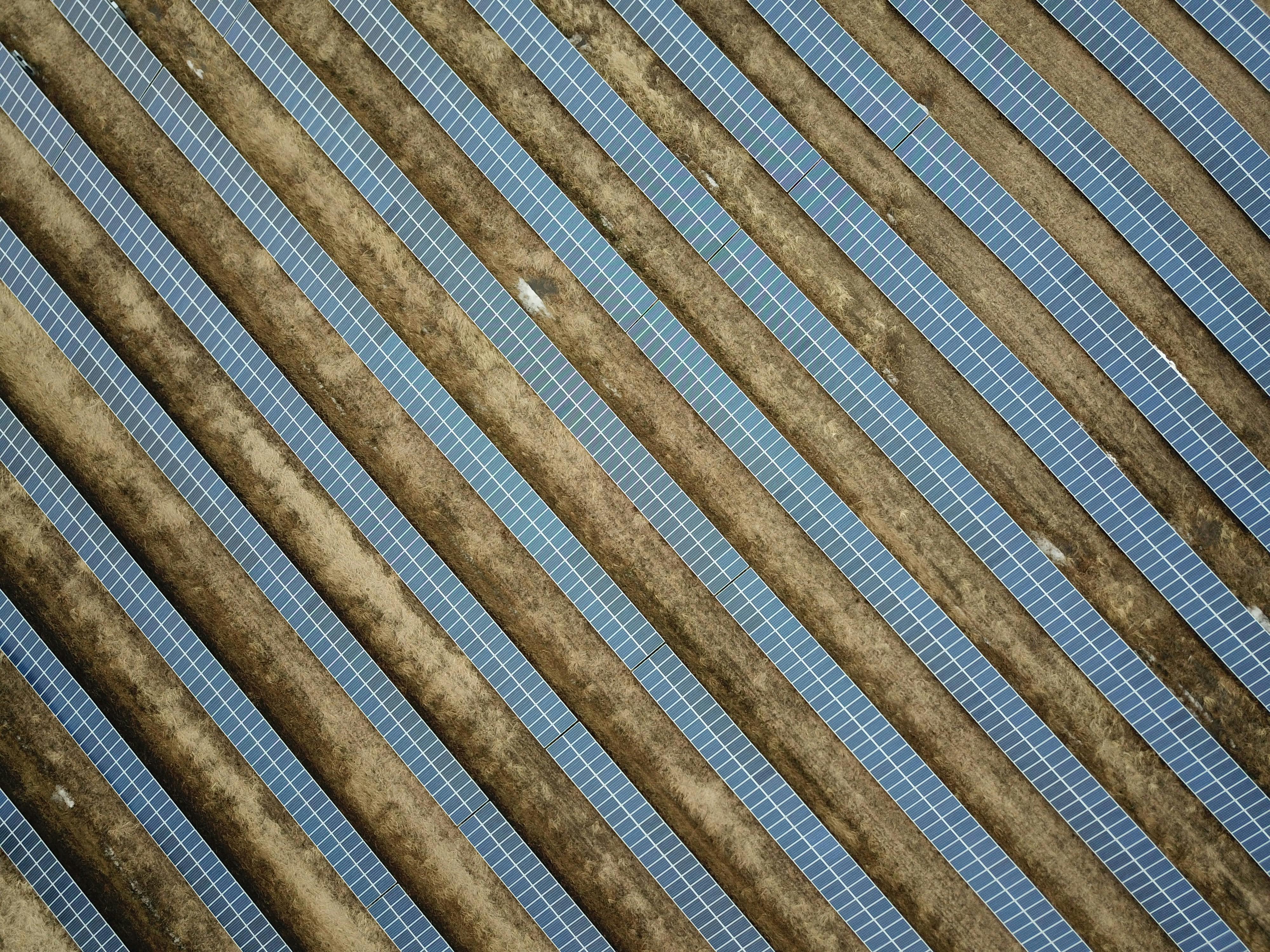
Best Practices: Maximizing Your Position in Indiana’s Solar Pipeline
- Stay current with permitting and local regulatory changes at county and township level—not only at the state level.
- Invest in crew training for utility-scale solar scopes, including tracker installation, electrical terminations, and commissioning support.
- Work towards repeated engagements by building relationships with developers and EPCs who maintain long-term Indiana backlogs.
- Apply geospatial analysis to minimize logistics costs and manage weather or site-access risks using platform tools from Hubexo.
- Balance high-visibility mega projects with smaller-scale, local solar builds for risk diversification and market reach.
- Consult related market intelligence for adjacent sectors (such as public bid compliance or contractor hiring), like the guidance in this bid timing strategy article.
Hubexo’s Role: Intelligence for Every Stage of the Solar Project Lifecycle
As the go-to expert in construction project and market intelligence, Hubexo provides the competitive advantages contractors need in Indiana’s fast-evolving solar sector. From pre-bid research to post-commissioning O&M opportunities, Hubexo solutions empower teams to:
- Spot and validate active projects early—using both permit data and direct developer/EPC contacts.
- Track and prioritize hundreds of concurrent projects, removing guesswork from bid calendars.
- Integrate real-time construction intelligence into standard CRM and estimation workflows.
- Expand market visibility across utility, municipal, and private solar work, and stay ahead of permitting delays or policy moratoria.
Indiana’s late 2026 solar pipeline represents an opportunity curve with immediate wins and long-term market share, especially for firms equipped with high-resolution project data and refined bidding strategies. For a deeper look at the intersection of bidding software and public works, see our blog covering AI and public bid trends.
Frequently Asked Questions (FAQ)
What are the largest solar projects in Indiana planned for late 2026?
The Mammoth South and Mammoth Central projects (Pulaski County), each 300 MW, and several 200 MW+ transmission-linked solar sites, are among the largest. Riverstart Solar continues steady expansion in Randolph County. Each of these projects has confirmed late 2026 milestones.
How can contractors spot which projects are actually moving forward?
Track permit issuance dates, EPC assignments, developer financings, and local zoning approvals using real-time intelligence tools like Hubexo’s ConstructionWire and Construction Monitor. This helps avoid commitment to stalled or delayed opportunities.
What risks should bidders consider for Indiana solar projects in 2026?
Common risks include county-level moratoria, weather delays, interconnection schedule uncertainty, material price volatility, and regulatory shifts. Verifying project status and local approvals through Hubexo data reduces potential surprises.
What are best practices for building a solar-specific bid pipeline?
Define geographic priorities and project capacity bands, use scoring models for prioritizing efforts, map labor and equipment calendars to project milestones, and keep key developer/EPC relationships active for repeated opportunities.
Can CRM and bid management tools be integrated with Hubexo data?
Yes, Hubexo products such as ConstructionWire offer API-driven integration with major CRM and estimation platforms, enabling automatic project tracking and triggers.
Where can I learn about public bid opportunities for Indiana solar?
Hubexo’s QuestCDN delivers live bid postings and is widely used by governments and utilities for solar and grid RFPs. The Indiana solar construction market features dozens of municipal and county-level bids annually.
How do local policies affect Indiana solar construction?
Each county may have unique zoning, permitting, or moratorium rules. Public hearing schedules, road use requirements, and impact mitigation plans can all shift project timelines, making regular policy monitoring essential.
Conclusion
Indiana is among the hottest solar construction markets in North America, and late 2026 is a defining moment for contractors, EPCs, and suppliers ready to act on robust data and targeted market intelligence. We at Hubexo are committed to being your partner in this landscape, ensuring teams have the best insights for every stage—from the first permit to project handover. For more guidance on pipeline management or to see how Hubexo’s platforms can transform your opportunities, explore our full solution suite or reach out to our expert team for a demonstration.