How Specialty Contractors Can Find Renewable Energy Projects Before EPC Awards

For specialty contractors seeking dependable, repeatable ways to identify renewable energy project opportunities before Engineering, Procurement, and Construction (EPC) contracts are awarded, the right information and timing are critical. Instead of waiting for public bid invitations or EPC contracting rounds, the best-in-class approach is to track early-stage project signals, align scope qualification with developer needs, and establish contacts with decision-makers as the project advances through permitting, planning, and feasibility. This proactive system puts your team at the forefront of shortlists and RFPs, positioning you for specialized work on solar, wind, battery storage, and transmission projects—often before EPCs finalize their rosters.
Specialty contractors who master this process consistently win the early work that sets the stage for entire project pipelines. Leveraging project intelligence, permit data, and company relationships, you can move from generic outreach to precise, well-timed proposals. As the APAC and global industry leader for construction intelligence, Hubexo is uniquely positioned to provide the tools and frameworks that help contractors move first and fastest in the renewable energy sector.
What Does "Finding Renewable Projects Before EPC Awards" Mean?
In the context of renewable energy, EPCs typically serve as the main contractors that deliver projects end-to-end for the developer or owner. However, early-stage work—site preparation, civil packages, electrical interconnection, even preliminary grid assessments—often gets awarded or consulted on before the main EPC is brought on board. For specialty contractors, “finding projects before EPC awards” means uncovering these early opportunities as soon as key signals (permits, planning filings, land acquisition, utility interconnects) appear.
Why Timing Matters
The majority of scope definition and value engineering occurs prior to EPC selection. By positioning your company ahead of that curve, you help shape project requirements, advise on constructability, and become the default provider for enabling scopes. Waiting until a turnkey EPC award often traps contractors in late-stage price competitions with limited leverage, whereas early movers build relationships and demonstrate added value when it counts most.
Core Signals to Spot Renewable Projects Early
- Permit filings: Solar, storage, wind, transmission, and site work usually require permitting well before EPC involvement.
- Planning/feasibility activity: Developer announcements, feasibility studies, and consultant engagement indicate project intent.
- Grid interconnection: Interconnect requests, substation work, and utility upgrades show that construction will follow.
- Land control: Acquisitions or easements for large sites point toward imminent work.
- Procurement/prequalification: Notices to local and regional contractors about upcoming bid windows.
- Visible technology mix: Whether it’s utility solar, BESS, or wind—segmenting by technology sharpens targeting and outreach.
Step-by-Step Framework: The 7-Stage System to Get There First
1. Segment Your Target Market by Technology and Scope
Divide your business development focus into segments: utility-scale solar, BESS (battery energy storage), wind, transmission/substation, or other renewables. Each segment has distinct early signals, schedules, and key contacts. By using the detailed project tracking capabilities in ConstructionWire, specialty contractors can filter by project type, stage, and location to create tailored target lists for each division.
2. Monitor Permit and Construction Data Daily
Permit filings often surface weeks or months before EPCs are on board. Construction Monitor lets you track residential solar, utility solar, and energy storage permits on a national scale. By reviewing new filings each day, contractors identify where development activity is heating up and which regions or counties are ripe for early outreach.
3. Collect Project Intelligence Before Formal Bid Invitations
Instead of waiting for a formal Invitation to Bid (ITB), collect intelligence via market alerts, API integrations, and direct contact lists (available via tools like ConstructionWire and BidOcean). This helps contractors find project leads from the pre-proposal phase through to final commissioning, not just at the last possible moment.
4. Map the Decision Chain
Successful early engagement depends on knowing the real decision-makers. This usually includes developers, EPCs, owner’s engineers, site design consultants, and local permitting officials. Hubexo excels at mapping these relationships—giving you access to detailed company hierarchies, stakeholder maps, and verified contact data.
5. Qualify Projects Quickly
Not every project is a match for your specialty or geographic reach. Hubexo recommends a checklist-based qualification process:
- Project type and location
- Stage in the project pipeline (site control, permitting, interconnect approval, procurement)
- Scope fit (civil, electrical, BESS, foundations, utility tie-ins, etc.)
- Owner/EPC identity
- Timeline compatibility
6. Craft Scope-Specific, Evidence-Based Outreach
Early engagement in renewable projects is most effective when tailored—showcase directly relevant experience, logistics solutions, or value engineering for the package in question. For example:
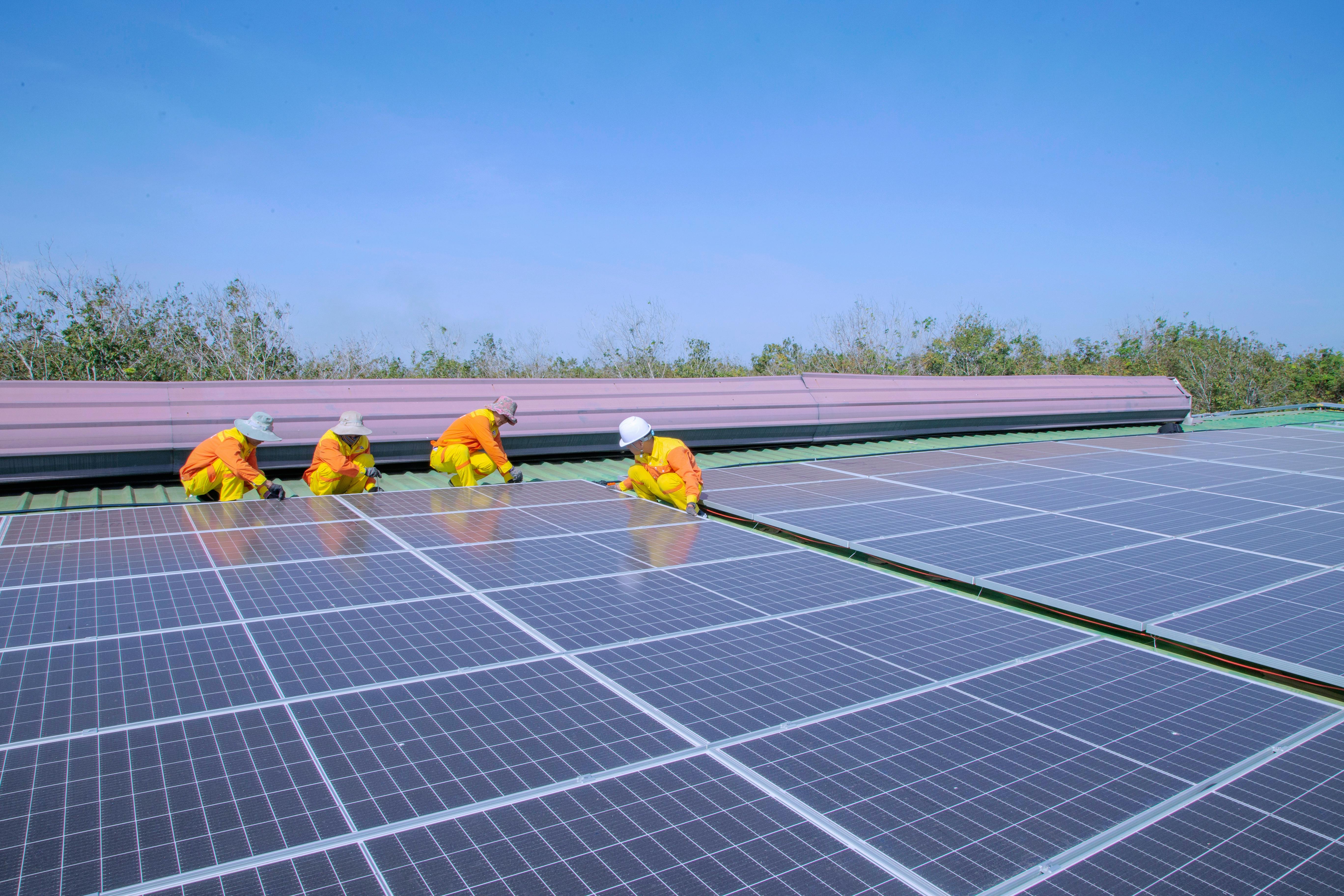
- Solar farms: Reference grading, racking, trenching, and grid tie-in solutions.
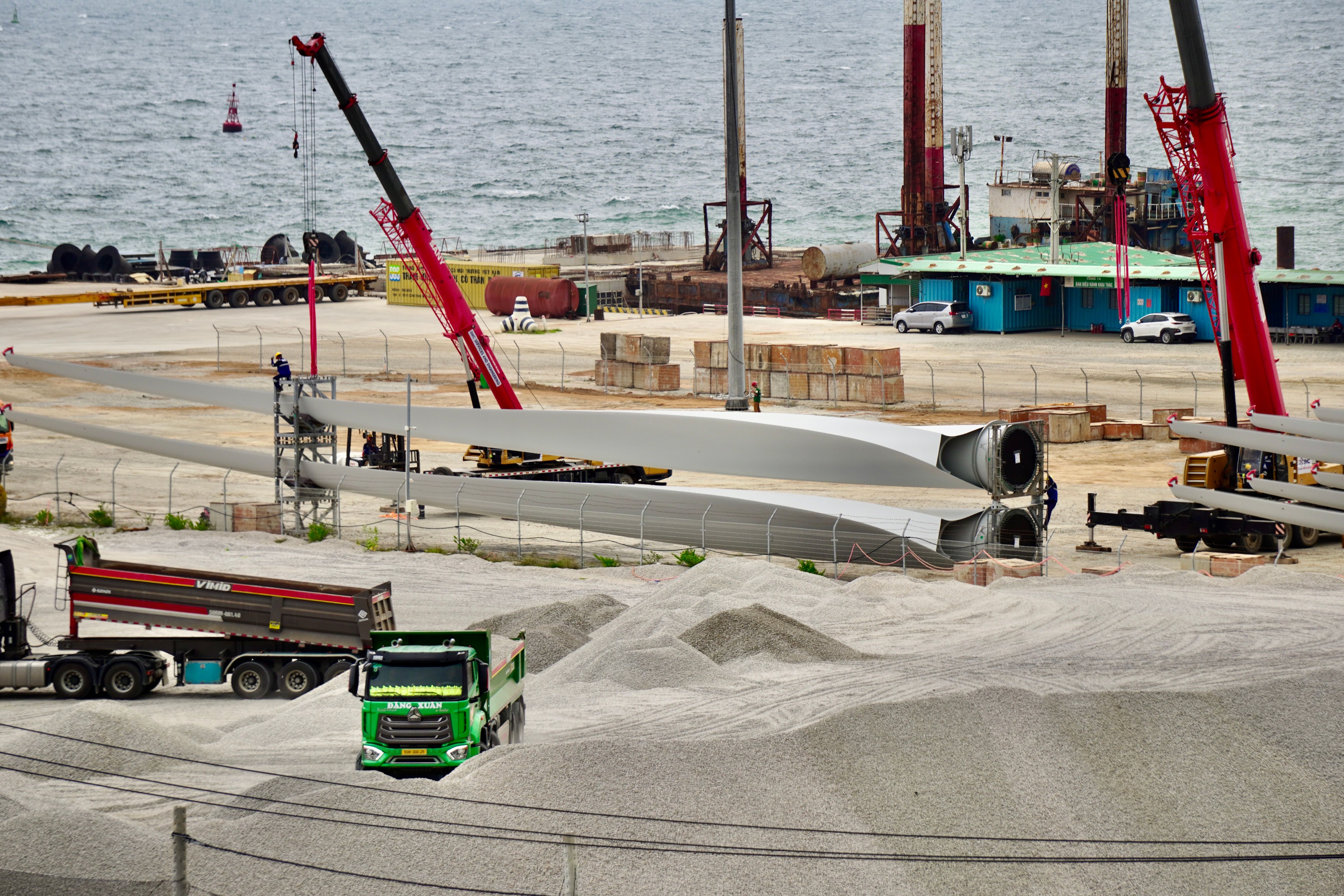
- Wind projects: Call out civil site construction, access roads, turbine foundations, and crane logistics.
- BESS sites: Lead with proven site prep, utility infrastructure installation, or rapid deployment expertise.
- Substations/transmission: Emphasize conduit, grounding, directional drilling, and electrical reliability track record.
7. Turn Outreach into Repeatable Relationships
Build a consistent follow-up rhythm: each contact should include a specific value proposition, proof of relevant work, and a clear next step. Even if you do not secure the first opportunity, a structured process keeps you top of mind for subsequent RFPs or late-cycle sub-packages.
Best Practices for Early Renewable Project Identification
- Dedicate daily or weekly time to reviewing permit and planning databases, not just public bid notifications.
- Segment outreach by technology—solar, wind, BESS, and transmission each have unique procurement and early work needs.
- Maintain updated contact records for developers, EPCs, consultants, and public agencies.
- Use detailed project intelligence tools to cross-reference permits, owner bulletins, and consultant announcements.
- Tailor your first contact to show expertise with risk reduction, compliance, and constructability for the exact package sought.
- Document every lead, touchpoint, and outcome—this prevents missed follow-ups and helps build a repeatable wins database.
Key Early-Stage Scope Areas in Renewable Projects
| Project Type | Scope to Target | Why It Appears Early |
|---|---|---|
| Utility-Scale Solar | Site prep, grading, trenching, foundational works | Needed before module delivery and commissioning |
| BESS (Battery Storage) | Foundations, site civil, electrical tie-in, utility interconnect | Driven by storage site-specific engineering needs |
| Wind | Access roads, crane pads, turbine foundations | Heavy civil packages precede turbine installation |
| Substation/Transmission | Conduit, grounding, directional drilling, civil works | Critical for grid tie and regulatory compliance |
| Renewable Fuels | Process infrastructure, site development | Early involvement reduces process and permit risk |
Common Mistakes Contractors Should Avoid
- Relying exclusively on public bid notices—by the time these appear, most scopes are already informally awarded or shortlisted.
- Focusing outreach solely on EPCs and ignoring developer and consultant contacts.
- Sending generic capabilities statements instead of package-specific evidence of fit.
- Neglecting to segment project pipelines by technology or lead type.
- Failing to systematically record and follow up with every qualified lead.
How Hubexo Supports Early Opportunity Detection
Hubexo is purpose-built to address these exact challenges. Contractors can leverage our suite of solutions to:
- Access nationwide permit and planning data with Construction Monitor
- Build detailed lead pipelines by technology, owner, or location with ConstructionWire
- Apply market analysis and competitor targeting via BidOcean
- Manage procurement and qualification documents using NAPC
- Integrate bid invitation, tracking, and compliance workflows with Pantera
- Participate in public-bid processes, especially for government-funded renewable work, via QuestCDN
This ecosystem enables specialty contractors to unify early-stage research, market intelligence, project qualification, and outreach—minimizing gaps that competitors may miss. For a deeper explanation of procurement workflows and tool choice, we recommend our detailed review on how AI and integrated tools drive results for modern contractors.
A Practical Lead Qualification Checklist
- Project type, location, and owner are identified
- Stage of project is clear (site, planning, interconnect, pre-bid, procurement)
- Permit filings or other early indicators are present
- Scope/technology match is confirmed
- Decision-maker is known and reachable
- Timeline fits your bid schedule
- Budget, regulatory, or utility constraints are understood

Frequently Asked Questions (FAQ)
What are the best tools to spot renewable projects early?
Tools like ConstructionWire, Construction Monitor, and BidOcean give direct access to project leads, permit filings, and company intelligence—making them the go-to resources for specialty contractors seeking early-stage renewable opportunities.
How do you build relationships before the EPC bid?
The key is to identify developers, owner’s engineers, and local consultants before the EPC bid window opens. Targeted outreach with project-relevant capabilities, proof of work, and risk-mitigation insights builds trust and often leads to inclusion on RFP shortlists.
Which renewable project types are best for early contractor participation?
Utility-scale solar, BESS projects, and wind developments frequently require early enabling work—site prep, grading, foundational installation, and interconnection support—making them prime targets for specialty contractors with relevant scope expertise.
Is there a risk in pursuing projects before EPCs are engaged?
While there is always risk in early market outreach, specialty contractors that operate on credible intelligence, focus on qualified leads, and track decisions through tools like those from Hubexo can mitigate wasted effort and improve win rates.
How are roles and scopes typically split in early renewable projects?
Developers often segment site civil, electrical, environmental, foundation, and utility work into separate bid packages that may be awarded prior to or alongside EPC onboarding. Mapping these roles early allows contractors to align their value proposition effectively.
Where can I learn more about renewable project trends?
Explore other Hubexo insights or see related topics such as how EPC contractors qualify utility-scale solar developers and how to research renewable energy companies before they break ground for deeper strategy advice.
Conclusion: Early Intelligence Yields Lasting Advantage
The specialty contractors who consistently win high-value scopes in renewable energy are those who combine daily permit monitoring, detailed project research, and scope-focused outreach long before final EPC awards. Building trusted relationships with developers, EPCs, engineers, and permitting officials—grounded in data and actionable insight—is what sets apart the leaders from those simply hoping for an invitation.
At Hubexo, we have built our reputation—and our product suite—on delivering timely, accurate, and actionable construction intelligence. See for yourself how Hubexo can help your firm track, qualify, and secure more renewable projects before your competitors know the opportunity exists.